Aswang
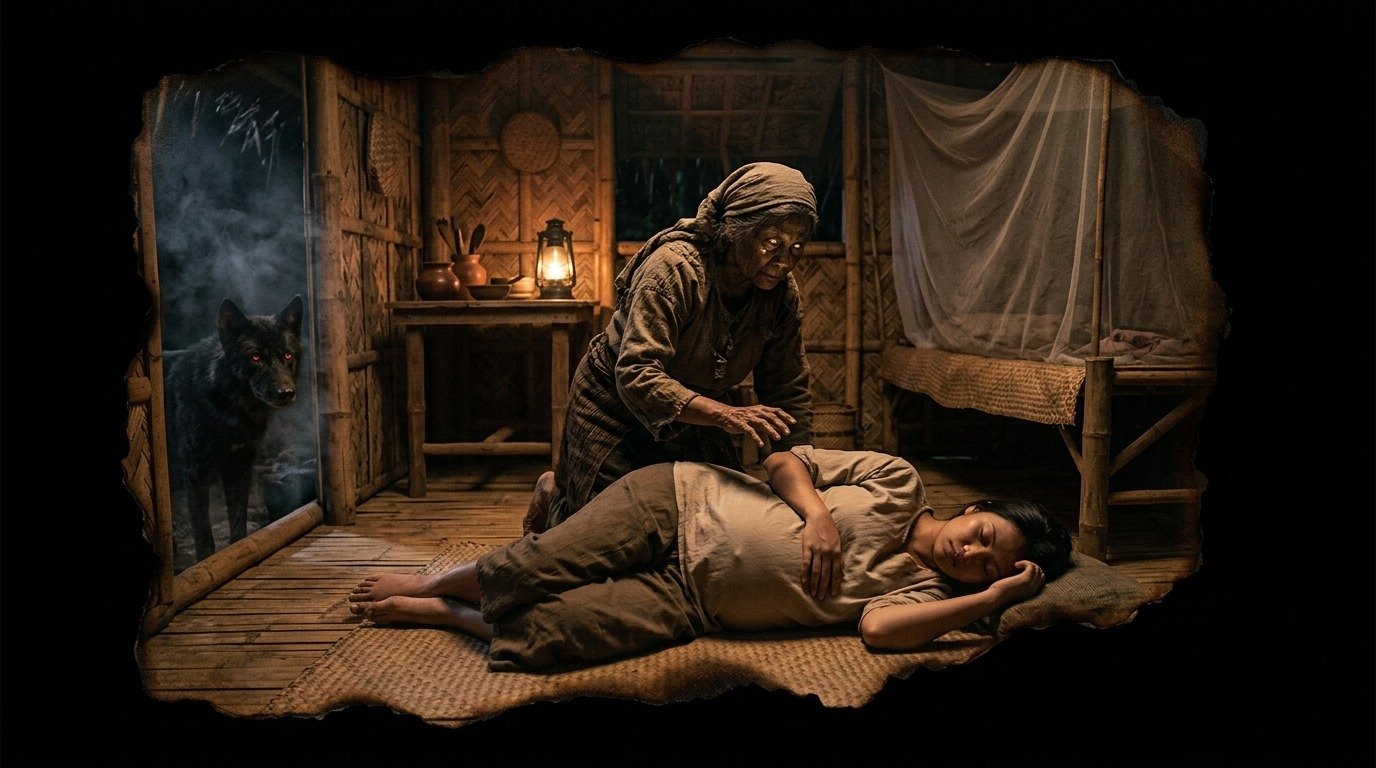
Aswang: The Polymorphic Shadow of the Philippine Archipelago
Origin and Legend
The Aswang is the central figure of the teratological folklore of the Philippine Islands, whose presence has been uninterruptedly documented since the first colonial chronicles of the 16th century, notably in the works of Franciscan friars such as Juan de Plasencia (*Customs of the Tagalogs*, 1589) and in the *History of the Islands and Indians of the Bisayas* (1668) by the Jesuit Francisco Ignacio Alcina. Unlike European vampiric entities delimited by strict anatomical or spiritual rules, the Aswang does not define a single species of monster, but rather an umbrella category of necrophagous, hematophagous, and shapeshifting entities that mainly infest the Visayas region (especially the provinces of Capiz, Iloilo, and Antique).
In its indigenous mythology, the most widespread manifestation of the hematophagous and cannibalistic variant is the *Tik-tik* or *Wak-wak*, so named for the phonic sound the entity emits when stalking. Local mythology maintains an acoustic paradox: the fainter the call of the *Tik-tik*, the closer the creature is to its victim. The *Manananggal* variant (often integrated into or overlapping with the Aswang complex) represents a terrifying somatic division: the creature, usually a woman by day, retreats to a dismal place at nightfall, detaches her upper torso from her lower extremities using an unguent secretion, and unfurls bat-like or membranous wings to fly in search of pregnant women. Her preferred organ is a proboscis-like tongue, extremely long, hollow, and filiform, which she inserts through the crevices of nipa roofs to suck out the fetus or the blood of the sleeping victim.
Historical and Regional Evolution
Before Spanish hegemony, animist Tagalog and Visayan societies integrated necrophagous spirits into a cosmology where the boundaries between the organic and spiritual worlds were porous. The arrival of the Spanish administration and Catholic missionaries profoundly altered the social function of this legend. The Aswang was theologically instrumentalized to demonize the practices of the *babaylan* (local priestesses and shamans). Since the *babaylan* held spiritual, autonomous, and medical authority in the pre-colonial community, the ecclesiastical narrative branded their female leadership and nocturnal rituals as witchcraft, gradually equating them with the fetus-devouring Aswang.
During the 20th century, the myth transitioned from anthropology to become a tool of psychological warfare (*psyops*). During the Hukbalahap Army insurgency in the 1950s, US Colonel Edward Lansdale, assigned to the CIA and in coordination with the Philippine military, exploited the deeply rooted belief in the Aswang in the Central Luzon region. Special operations forces kidnapped Huk rebel patrols, punctured their necks with two symmetrical incisions, drained the corpses of blood by gravity, and abandoned the bodies on forest trails. Upon discovering the bloodless remains, the guerrilla factions, gripped by ancestral terror of the Aswang, abandoned strategic positions without a single conventional round being fired.
Esoteric and Symbolic Significance
Symbolically, the Aswang personifies the corruption of the communal matrix and the perversion of vital nourishment. In contrast to the Western vampire, which embodies aristocratic appetite, refined selfishness, or venereal seduction, the Aswang is a force of visceral, domestic, and reproductive devastation. It represents the intrusion of the wild into the structure of the home (*bahay kubo*), a destructive parasitism that attacks the lineage at its point of maximum vulnerability: the maternal womb.
From the perspective of archetypal analysis, the Aswang's capacity for metamorphosis (taking the form of black pigs, disproportionately large dogs, or nocturnal birds) reflects the fear of the dissolution of biological boundaries. The physical division of the *Manananggal* splits the body into two halves: the lower part, anchored to the earth and vulnerable, and the upper part, volatile and predatory. It is the split of the psyche that abdicates its earthly grounding to surrender to instinctive predation.
Manifestation, Testimonials, and Practices of Protection
Philippine folklore has meticulously codified the recognition marks and defense methodologies against these entities:
* **Somatic diagnosis:** An Aswang in human form is recognized by the inverted reflection in its pupils; the image of the person looking at it appears upside down. Likewise, its eyes exhibit chronic redness due to nocturnal vigils. * **The ointment and salt:** To destroy the variant that separates its body, traditional protocol requires locating the defenseless lower half of the body—usually hidden among bushes or behind the dwelling—and sprinkling the exposed torso with sea salt, ash, garlic, or black pepper spice. This action prevents the upper torso from rejoining before dawn, causing the entity to incinerate upon contact with the first rays of the sun. * **Talismans and botany:** Active protection of dwellings requires hanging stingray tails (*buntot page*), renowned for their defensive vibrational density, as well as the use of *Buntot ng Pari* or blessed coconut oil made during Good Friday, which spontaneously boils or bubbles in the vessel when an Aswang approaches the structure.
Comments
Share information, an experience, or a source to help enrich this entry. They are automatically reviewed before being published.
Loading comments...