The Woman in Black
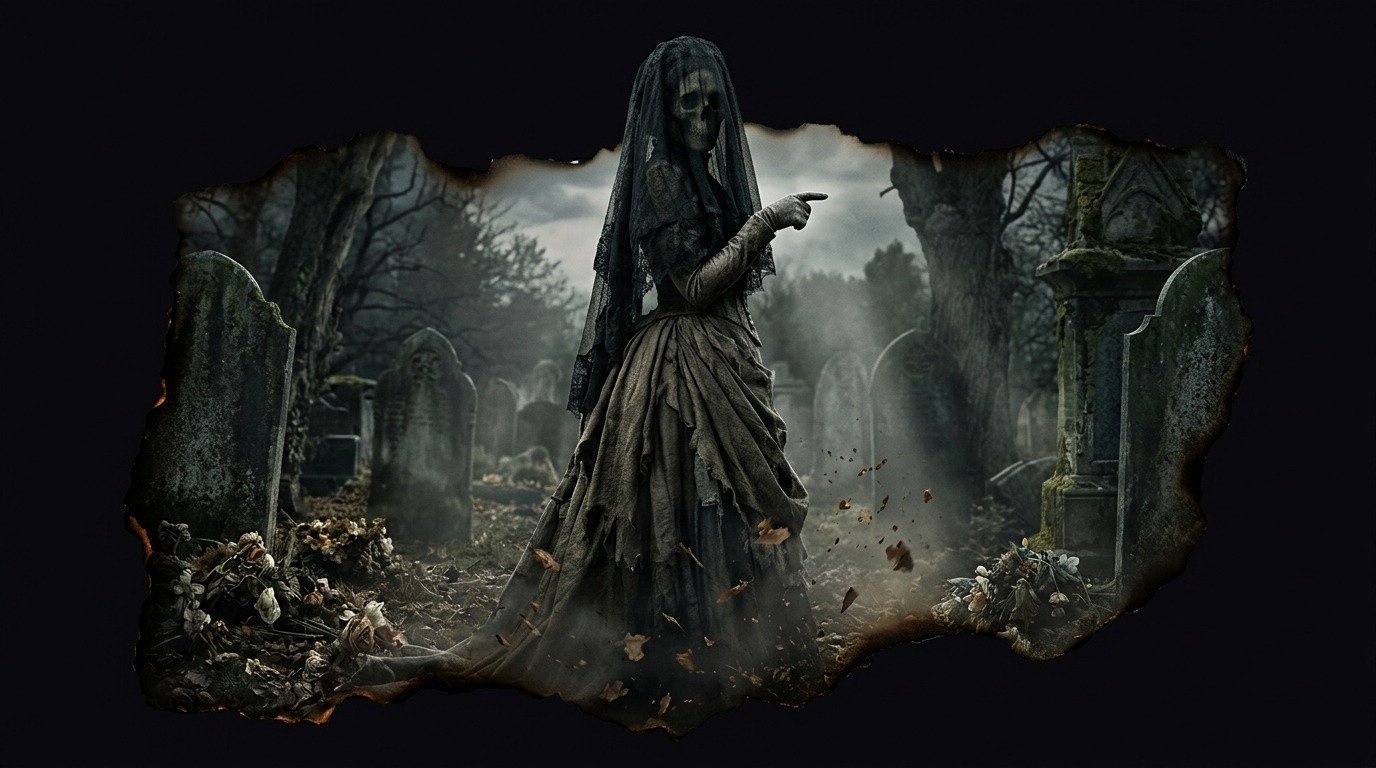
The Woman in Black: Omen, mourning, and the shadow of death
The guardian of the final boundary
While the figure in white evokes the sadness and nostalgia of lost life, the Woman in Black embodies a much more severe aspect of death: strict mourning, retribution, and the inescapable omen. This archetype does not seek compassion nor does she weep in corners; her presence is a warning or a punishment. Historically, legends of women dressed in strict mourning multiplied after the great plague epidemics in Europe and the wars that devastated the 19th century. She represents the eternal widow, the mother who has outlived all her offspring and now wanders through cemeteries or crossroads, guarding the threshold that separates the living from the dead. In popular demonology, she is often associated with entities that have made dark pacts to prolong their stay on this plane at the expense of the energy of the living.
The rustle of silk and the scent of withered flowers
An encounter with the Woman in Black usually begins with a subtle yet disturbing sensory stimulus. The witness first hears the dry rustle of a taffeta or heavy silk skirt dragging across the floor, accompanied by a sudden scent of decaying graveyard flowers or burnt candle wax. Her silhouette is tall, erect, silhouetted against the gloom with a rigidity that defies human anatomy. Her face is covered by a thick veil that prevents her features from being seen, creating unbearable psychological tension: the observer's mind projects its worst fears into that darkness. When she decides to lift the veil, accounts diverge between a fleshless skull, eyes burning like embers, or absolute nothingness, a black void that devours the light around her.
The trail of the shadowy widow
In the records of paranormal investigation, the Woman in Black appears linked to places marked by collective tragedy. She has been sighted in abandoned train stations where massive derailments occurred, in old field hospitals, and on the edges of Victorian cemeteries in the United Kingdom. In Mediterranean villages, her figure merges with the old spinners of fate, those who cut the thread of life. It is said that if she is seen from behind, there is still hope of evading fate; but if the Woman in Black turns and points at someone with her gloved finger, that person or someone very close to them will cross the threshold before the moon completes its cycle.
Comments
Share information, an experience, or a source to help enrich this entry. They are automatically reviewed before being published.
Loading comments...