The Ghost Child
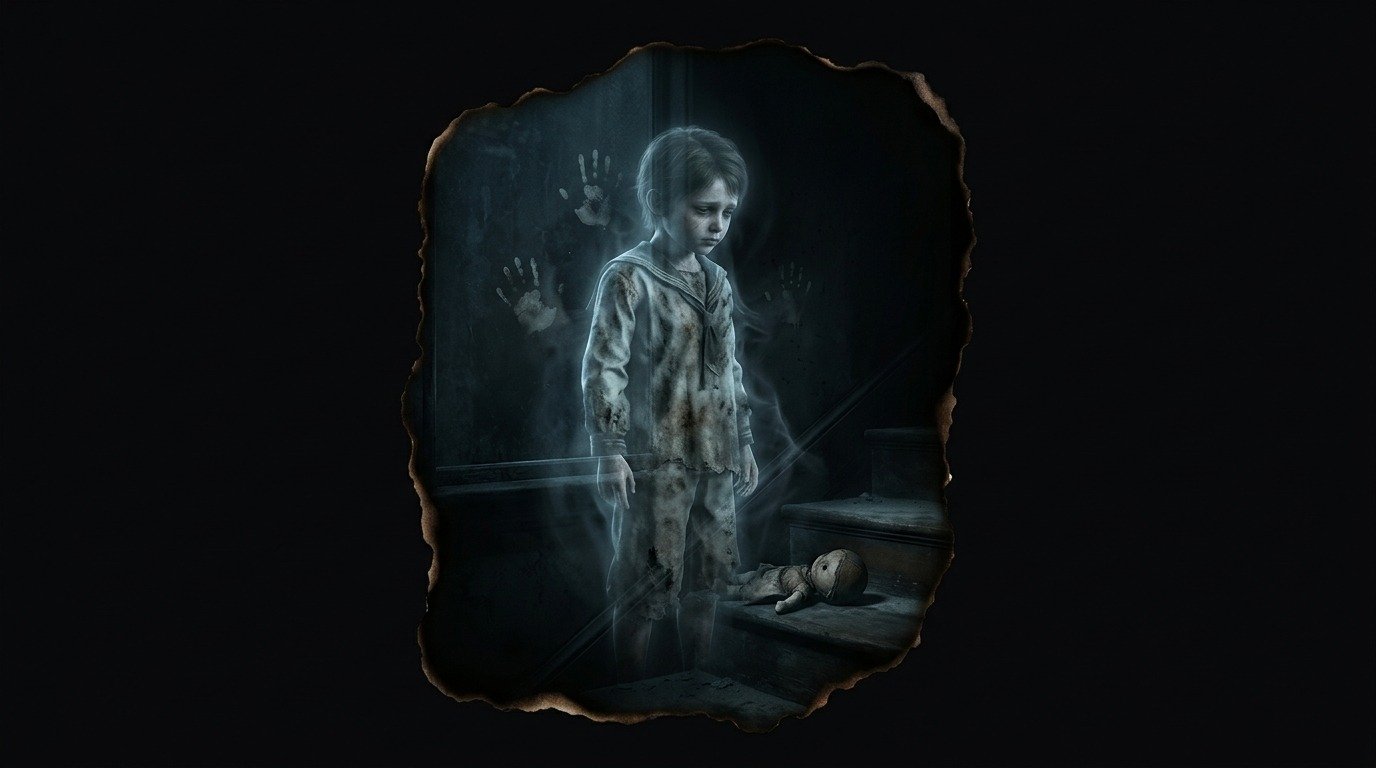
The Ghost Child: Innocence Trapped in Purgatory
The Broken Natural Order
There is no manifestation that causes greater shock and dread than that of a ghost child. This archetype touches a sensitive nerve in human psychology: the vulnerability of childhood cut short by death. The origin of these apparitions lies in the tragic and historical infant mortality rate of past centuries, marked by abandonment, forced labor in the mines and factories of the Industrial Revolution, and epidemics that emptied entire orphanages. When a child dies violently or helplessly, their residual energy clings to the environment with unusual strength. Failing to understand their own state of dematerialization, these spirits seek to play, find their parents, or simply demand the attention they were denied in life.
Laughter in the Night and Toys That Come to Life
The phenomenology of ghost children is rich in poltergeist manifestations. They rarely show themselves in full body during the first encounter; they prefer to manifest through sound and touch. Witnesses report sing-song laughter in empty rooms, the rhythmic sound of a ball bouncing down the stairs in the dead of night, or the whisper of a child's voice calling for "mommy" or asking for help. On the physical plane, they usually move toys around, turn on electronic devices, or leave small handprints dirty with soot or mud on windows and mirrors. When they finally let themselves be seen, they appear as translucent silhouettes, often wearing antique nightgowns or Victorian sailor suits, with sad faces watching from the darkest corners before vanishing into thin air.
The Dangerous Mask of Innocence
This archetype is found in all cultures, from Japan's "Zashiki-warashi"—child spirits that inhabit houses and bring fortune or misfortune depending on how they are treated—to the children of old orphanages and children's hospitals converted into public buildings throughout the West. However, experts in popular demonology warn of a latent danger in these encounters: parasitic entities and hostile spirits often adopt the form of a helpless child to win people's trust, break down their spiritual defenses, and enter their homes. Behind childish eyes weeping in the shadows, a hunger as ancient as time itself can sometimes hide.
Comments
Share information, an experience, or a source to help enrich this entry. They are automatically reviewed before being published.
Loading comments...